
Storm Water Damage in Nebraska
Storm water can overwhelm a home in seconds, leaving soggy walls, warped floors, and anxious homeowners. In Nebraska, where weather swings from blizzards to spring storms, you need a restoration partner who can reach you wherever you are in the…
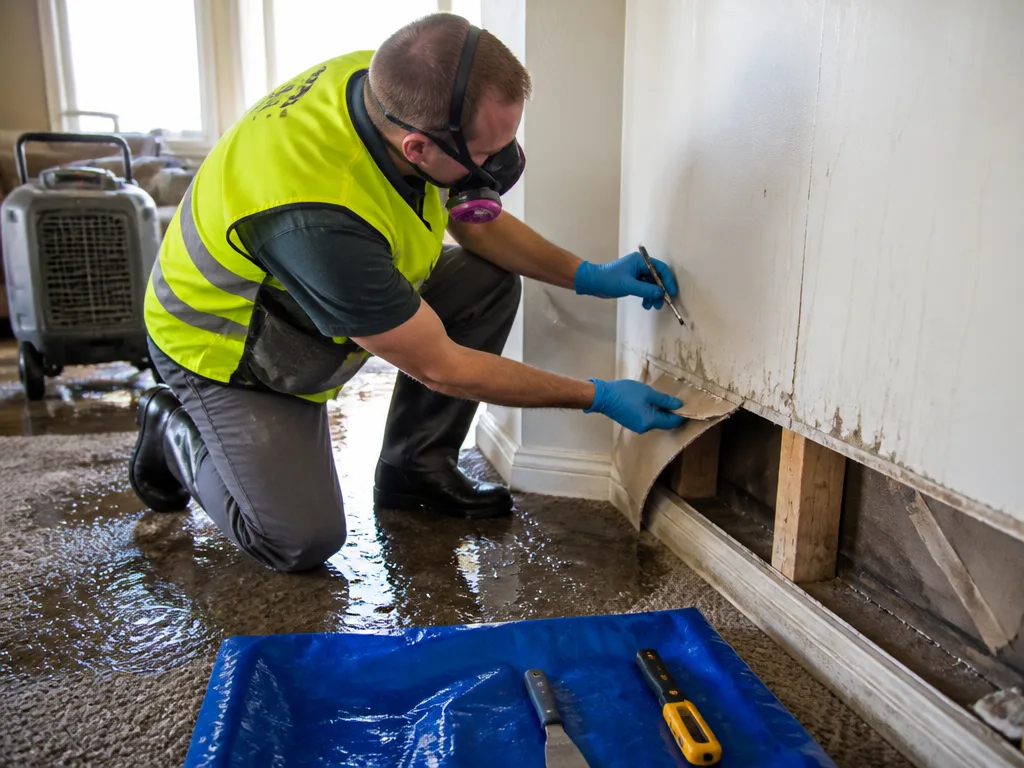
About storm water damage
Nebraska Moisture Detection storm water restoration includes immediate containment, water removal, moisture extraction, and thorough drying, followed by the removal and replacement of severely damaged drywall and insulation. Our restoration specialists map moisture levels through the affected area, monitor progress with sensors, and apply sanitization to prevent odors and contaminants. We handle debris removal and protect undamaged areas, then work with you to plan the final repair steps after the space is dry. This service is for homeowners facing basements, crawlspaces, or first-floor flooding caused by storms, melting snow, or civil weather events. Across Nebraska, our crews maintain clear communication, respect your property, and coordinate with insurance carriers to ensure you understand costs and timelines.
Signs you need storm water damage
- Visible water pooling near your foundation after storms.
- Musty odors or damp air in walls or basement.
- Warped floors, swollen baseboards, or peeling paint appear.
- Ceiling staining or new water marks after rain.
- Moisture on walls or in crawlspaces despite ventilation.
- Basement remains damp despite fans and ventilation efforts.
Why choose Nebraska Moisture Detection?
- Nebraska Moisture Detection operates a statewide team of restoration specialists.
- We respond across Nebraska with coordinated crews for rapid containment.
- Our process emphasizes thorough drying, mold prevention, and safety for homes.
- We coordinate closely with insurers and contractors to minimize disruption.
- Statewide Nebraska service means crews are never far when needed.
- Trusted by homeowners for clear timelines, dependable communication, and reliable results.
From phone call to finished job
Four straightforward steps. No surprise pricing. No upsells.
A restoration specialist gathers basic details over the phone to tailor the visit and prepare for a thorough assessment across Nebraska.
On arrival, the restoration specialist conducts a careful inspection, notes moisture levels, and identifies passages where moisture may travel through the structure.
We perform targeted moisture control and drying tasks, using proven methods to restore affected areas while keeping you informed along the way.
After work, we provide a written summary and stay available to answer questions as you review next steps with our team throughout Nebraska.
What you get
Fast water removal minimizes secondary damage to structure.
Gentle but thorough drying prevents warping and staining.
Mold prevention steps protect health for the long term.
Insurance coordination helps simplify claims and documentation for your file.
Statewide Nebraska service means crews can mobilize quickly.
Transparent updates keep you informed from start to finish.
Talk to a local pro now
(402) 260-8859Questions about storm water damage
Don't see your question? Call (402) 260-8859 and we'll answer it.
What steps are involved in storm water restoration?
Our restoration specialists begin with a rapid assessment, then contain the affected area, remove standing water, extract moisture, and establish controlled drying. We replace damaged materials as needed and seal and sanitize affected spaces, followed by moisture mapping and ongoing monitoring to ensure the area stays dry and mold-free.
How quickly can crews start the work after a call?
We offer 24/7 response across Nebraska, with rapid mobilization often within hours. Our restoration specialists perform an initial assessment on arrival, establish containment to prevent spread, and coordinate with you and your insurer to set a realistic plan, timeline, and cost estimate.
Will restoration affect my insurance claim?
Documentation of damage, scope of work, and progress notes help support claims. Our team coordinates with insurers, but approvals depend on policy terms. We aim to simplify the process by providing clear estimates, photos, and a transparent schedule to reduce confusion.
Is mold a risk after storm water damage?
Yes. Elevated moisture creates mold risk if moisture remains. Our restoration specialists prioritize rapid drying, proper containment, and ongoing moisture monitoring to minimize growth. We perform targeted mold prevention steps and follow state guidelines to protect your family’s health.
What can I do to prevent future water damage?
After cleanup, we recommend improving drainage around the foundation, maintaining gutters and downspouts, and considering sump pump or grading improvements. These steps reduce runoff toward the home and help Nebraska homeowners protect their properties long term.
Need storm water damage today?
Free estimates. Real local restoration specialists. No surprises.